Trapping a Beast Inside the Screen
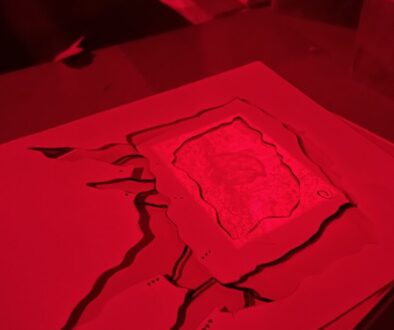
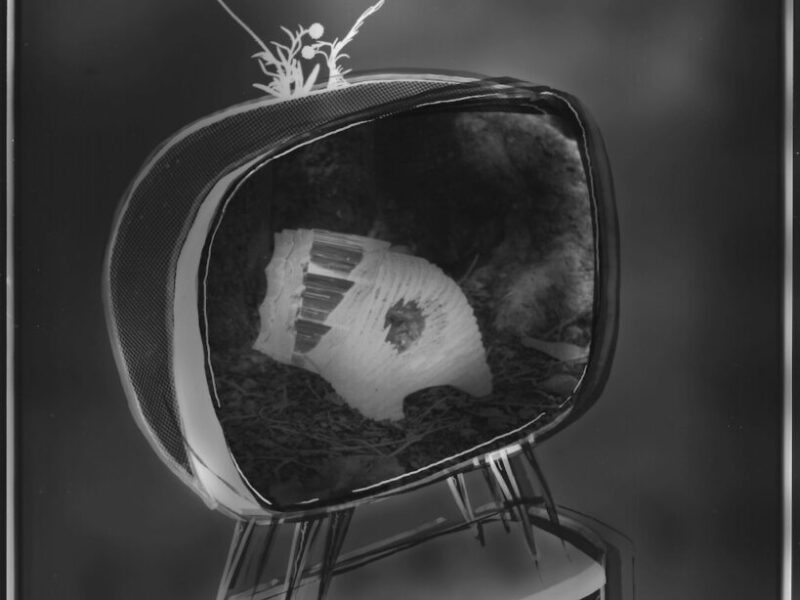
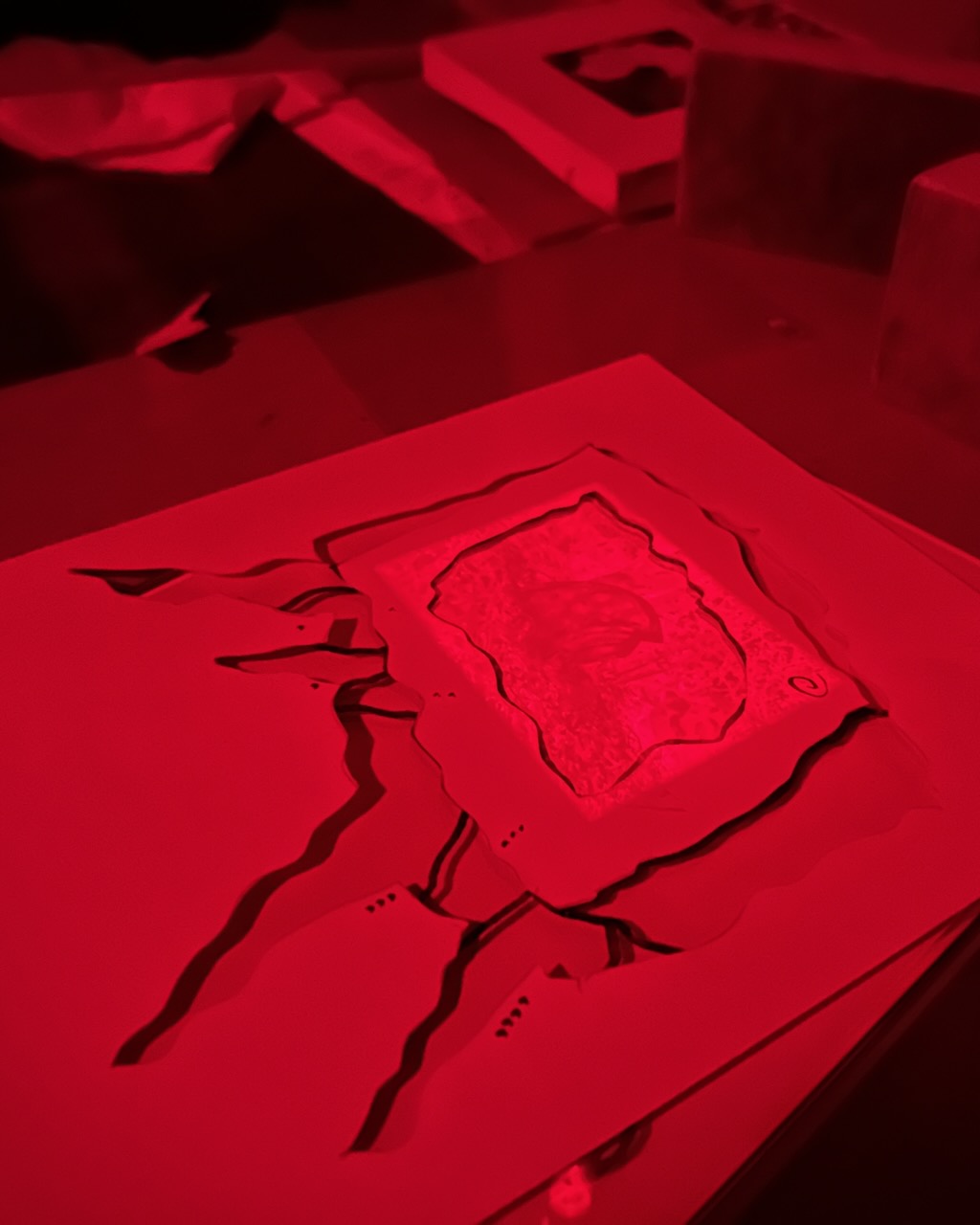
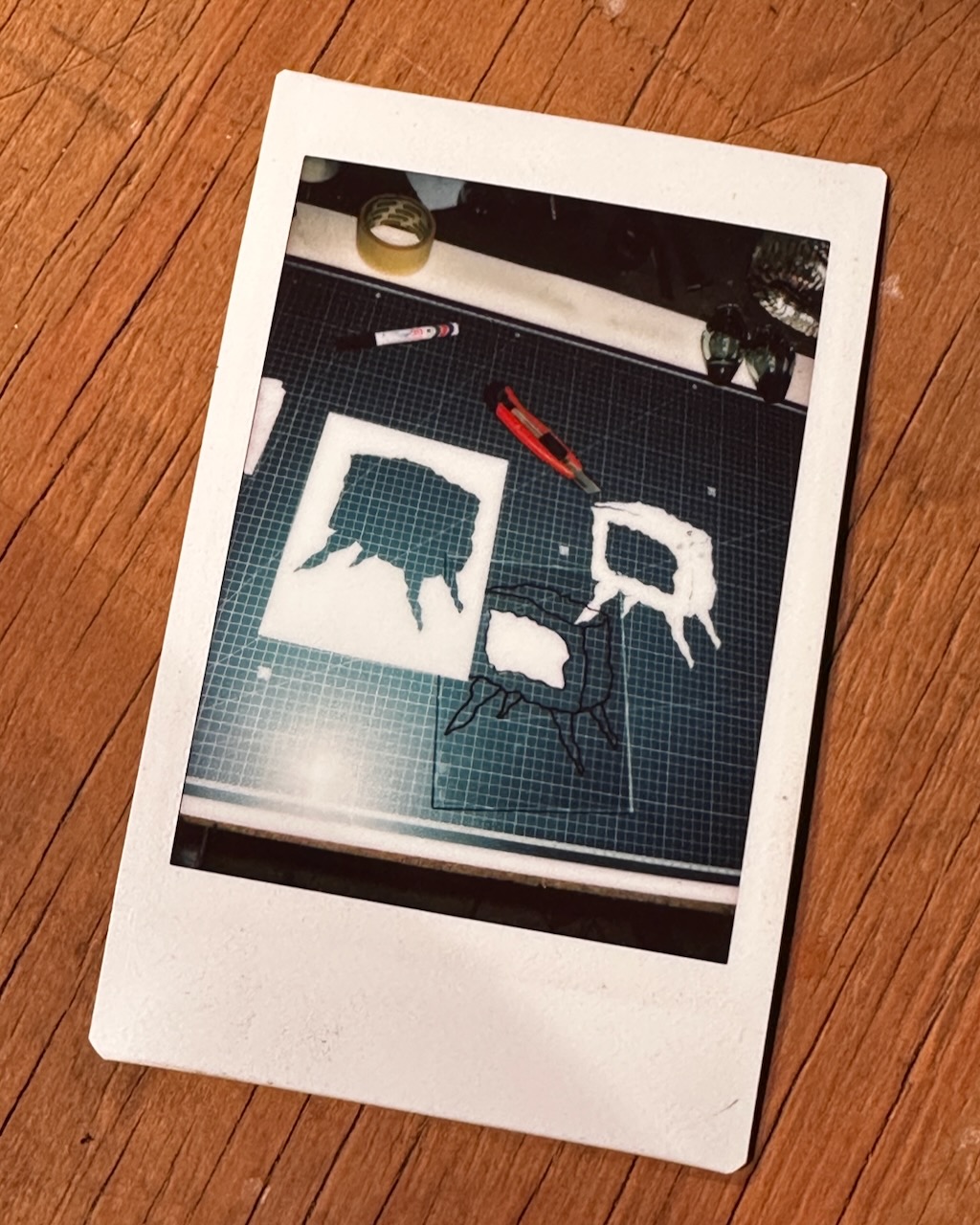
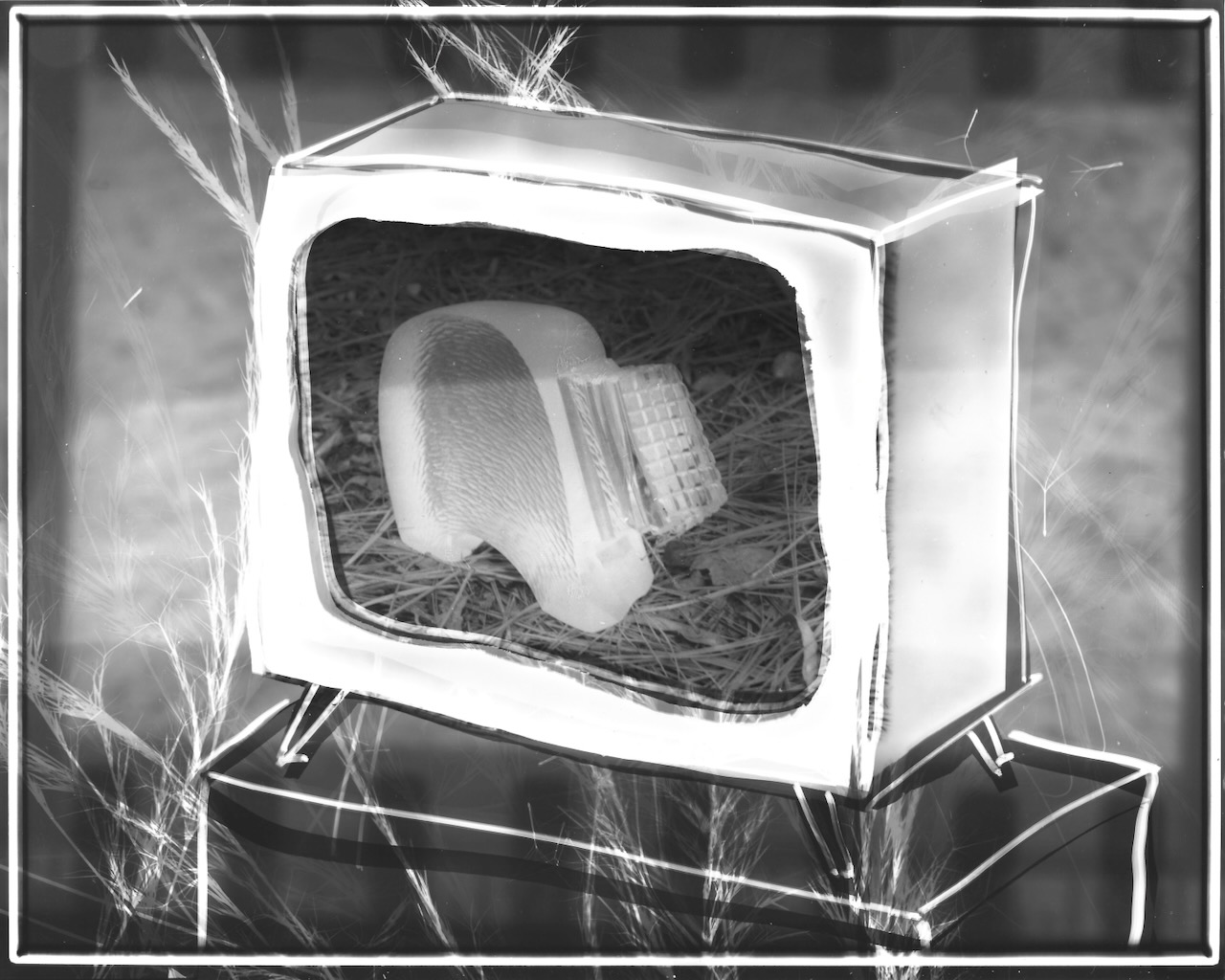
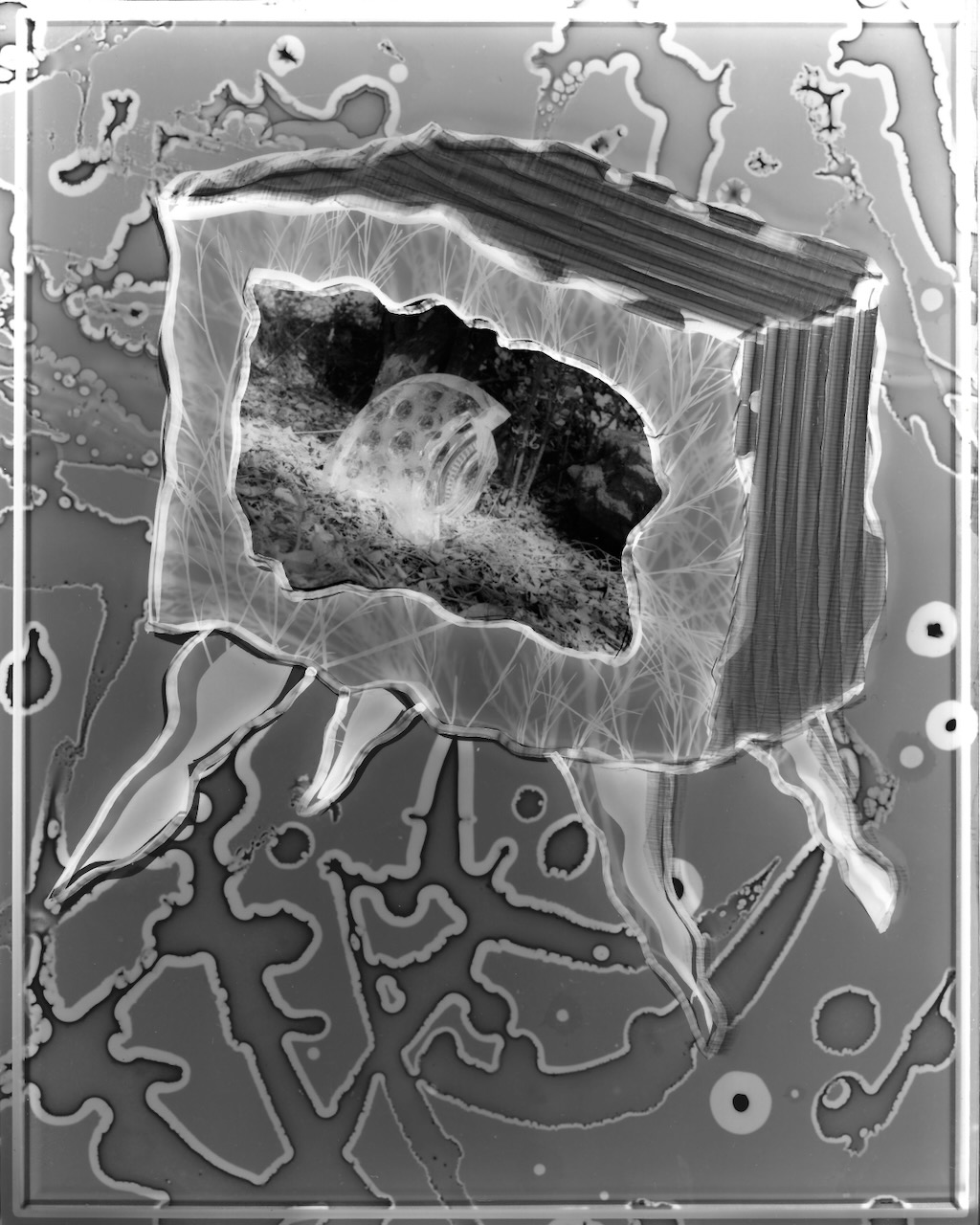
Have you ever sat in a darkroom, dim red light, vinegary odour in the air, straining to see the numbers on the timer? Here I am, capturing layers of light on a blank piece of paper. Fumbling to find the right cutouts to trap a Beast inside the screen.
-
- Using twigs as a layer of light
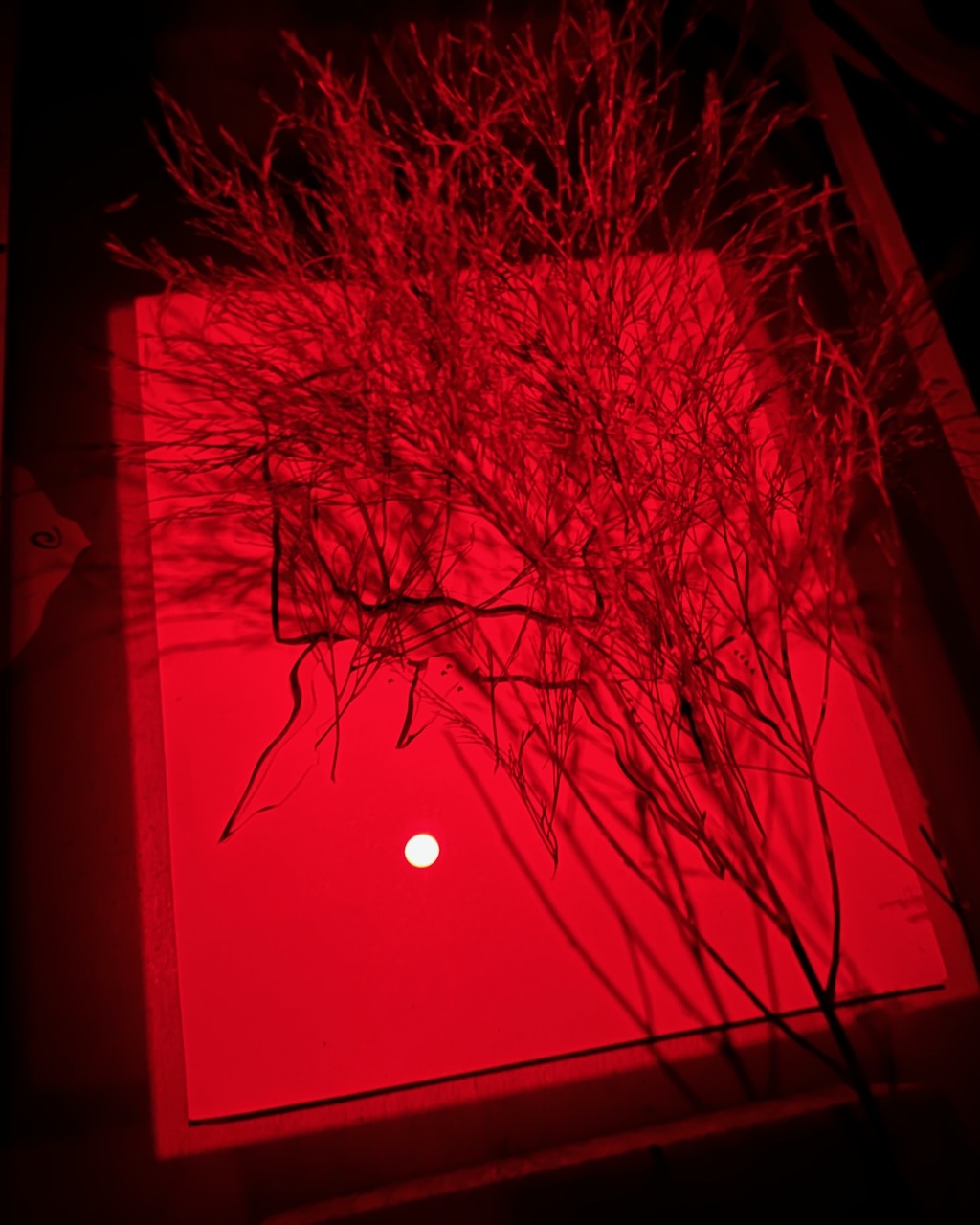
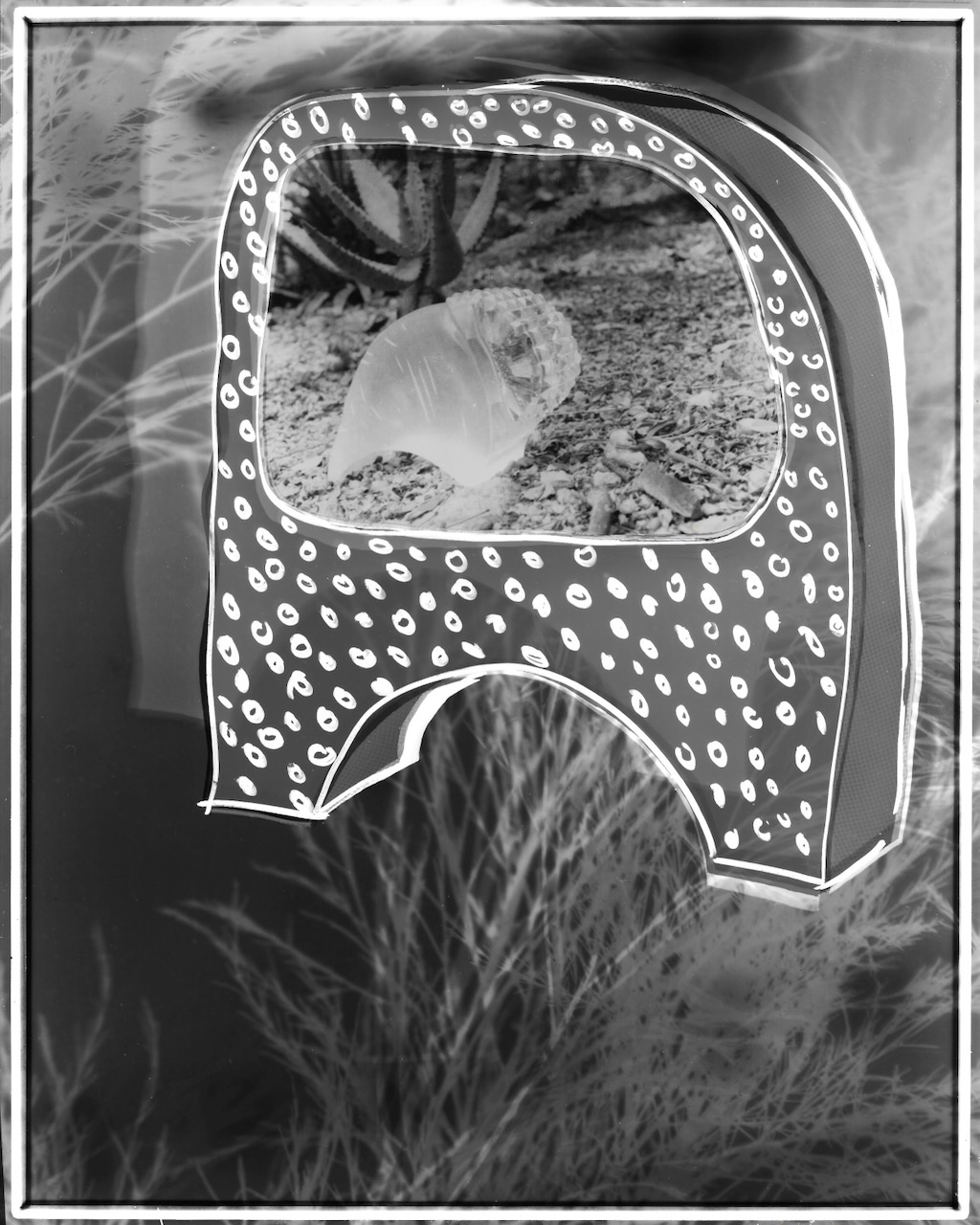
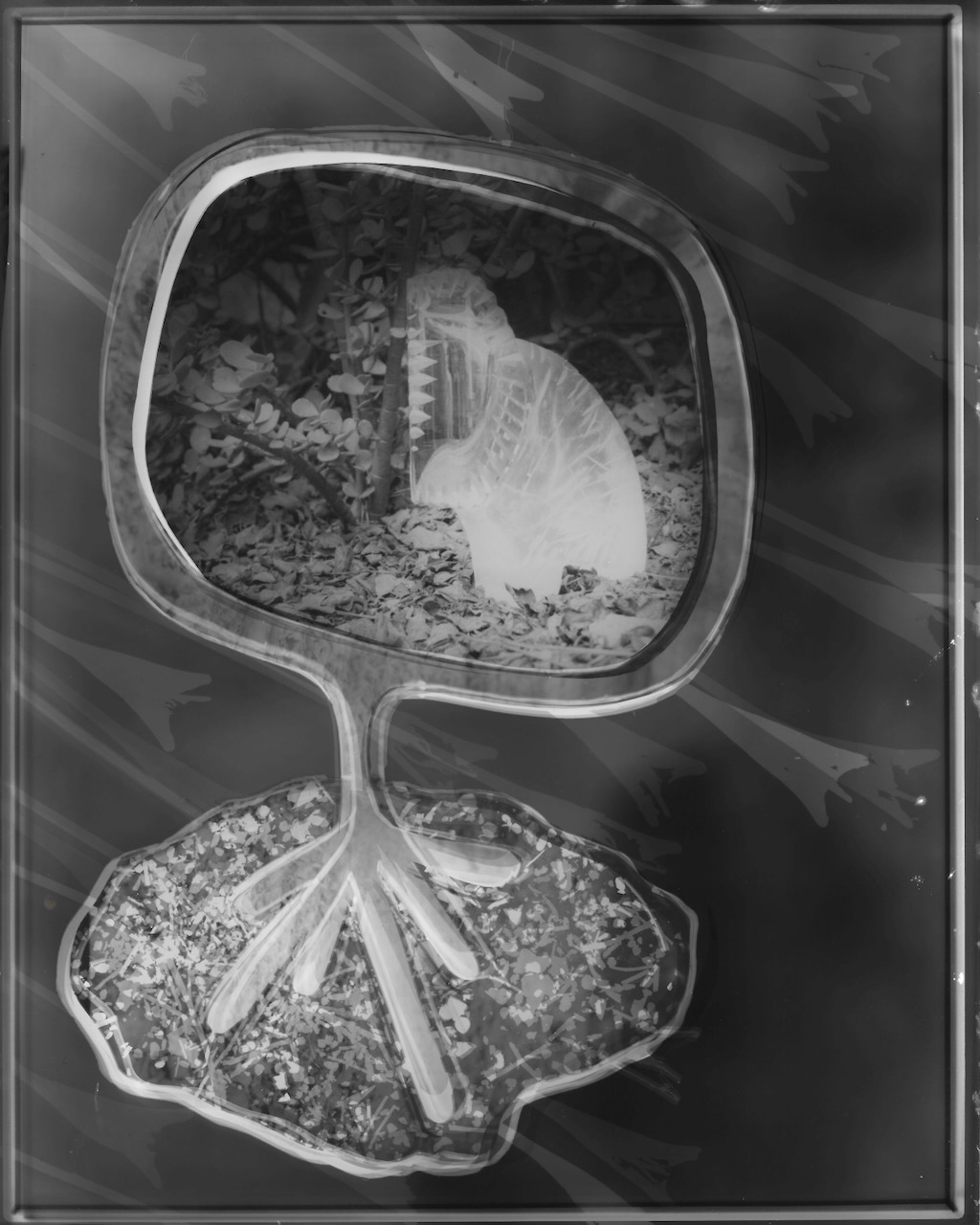
I’ve been playing with photograms, where images are made on photographic paper by placing objects on it whilst exposing with light. It was a way to document my sculptures, capturing their optical shadows — a silhouette, in negative. This got me thinking. What if I take cardboard and make a stencil, like a puzzle, and expose the same paper several times, each exposure burning a different layer of a picture? Epiphanies often arrive mid-process — I picked flowers outside the darkroom door and used them as the television’s antenna. Each image is a combination of unpredictability and intentionality. I have an idea, like shadows on the wall in my red lit cave. I go through the process but have no idea what the result will be. Too much light and everything is blown out. Too little and it’s flat. It is only at that moment when I lay the paper into the developer that the shadows are revealed.
-
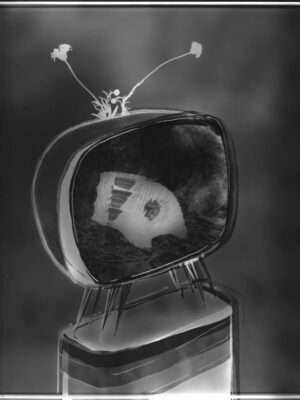
- Changing Channels - Scratchy Pooch

-
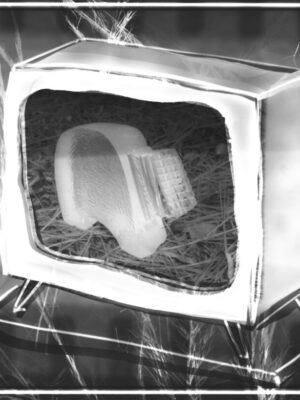
- Changing Channels - Pixel Cat
-
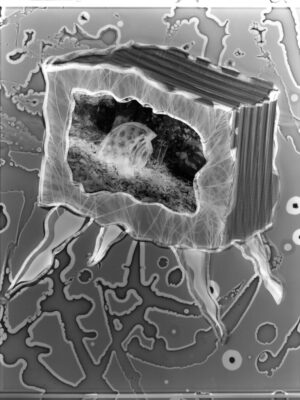
- Changing Channels - Crouching Leopard
-
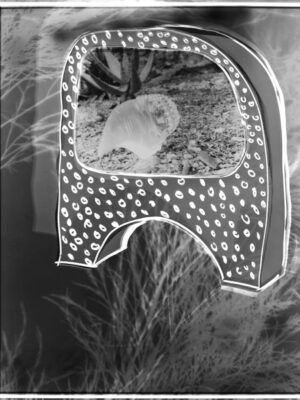
- Changing Channels - Bull Ram
-
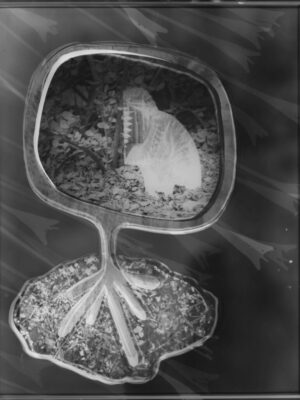
- Changing Channels - Sitting Lion
Anima & Apparatus
I spend hours in my studio, if not days, slowly and repetitively peeling layers of glass with stone wheels. Each step not quite planned, but focused on finding the story trapped inside. It is a process of playful determination. Every cut counts, and intuition guides me. Only at the end, when the felt wheel licks the surface during that final polish, letting the light bounce and vibrate, is the destination revealed.
Recently, distilling my practice revealed two distinct trajectories: one rooted to our ancient origins and the other sitting squarely in the age of the Anthropocene. Both feed off the same urge — to make and explore the magic that binds us. I call these trajectories Anima and Apparatus.
-
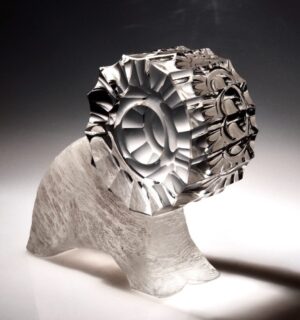
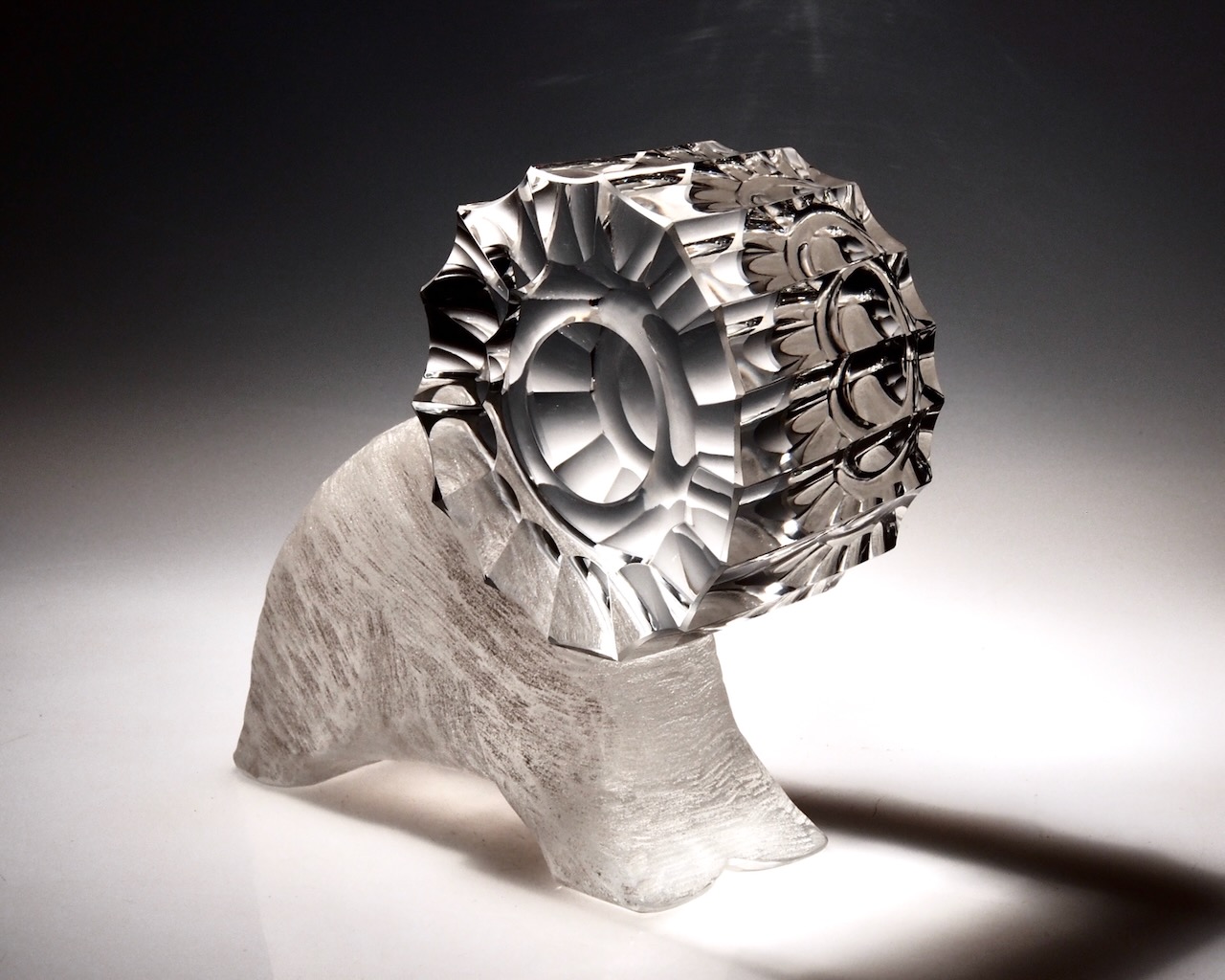
- Sun Lion
-
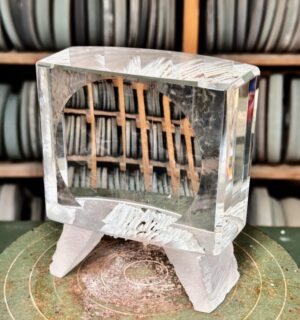
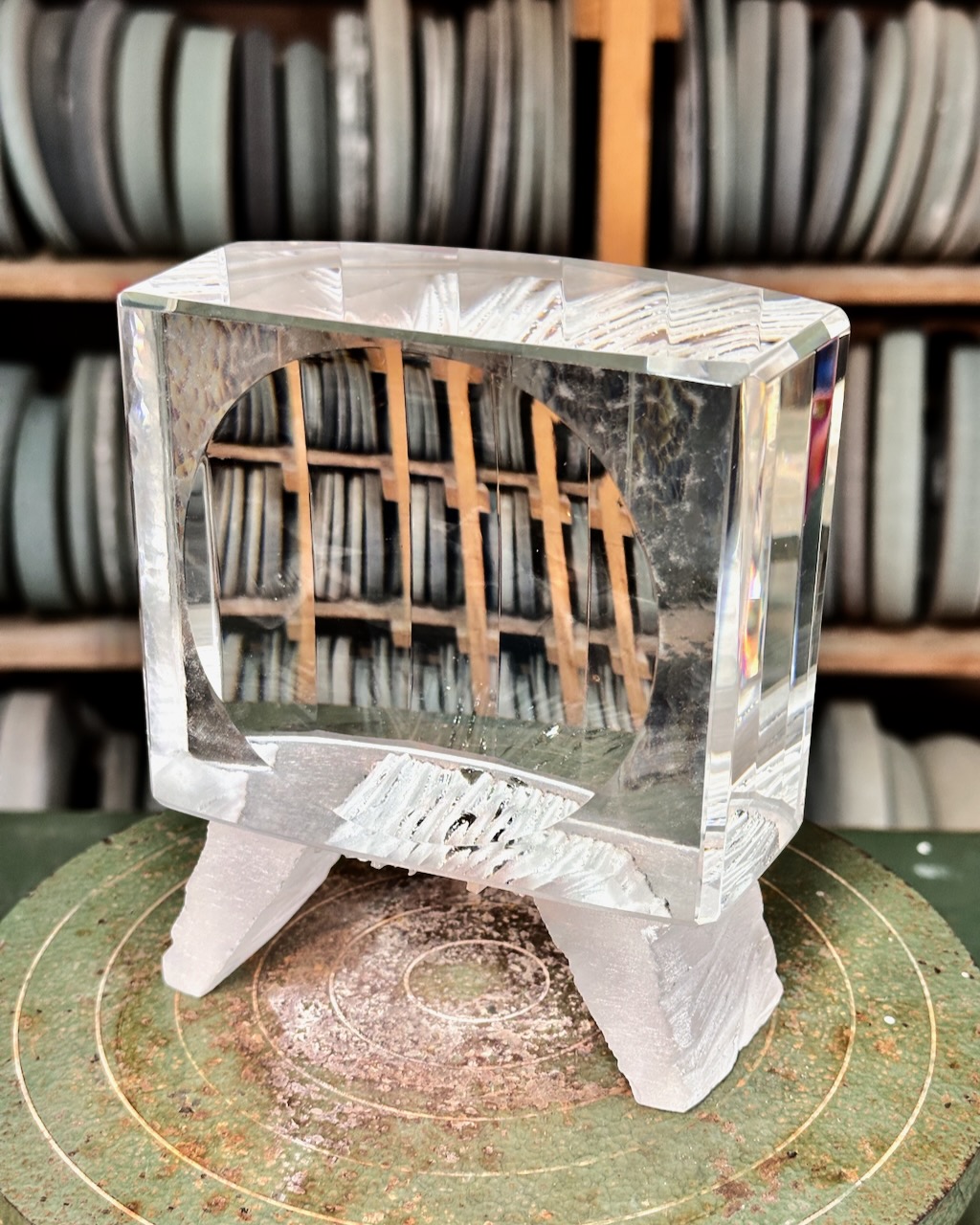
- Crystal TV
Anima draws from the origins of making — when we first shaped natural materials into tools, and etched our stories on cave walls. Those marks endure on an almost geological scale. They show me that art can communicate across the chasm of time, that the magic of making has not faded.
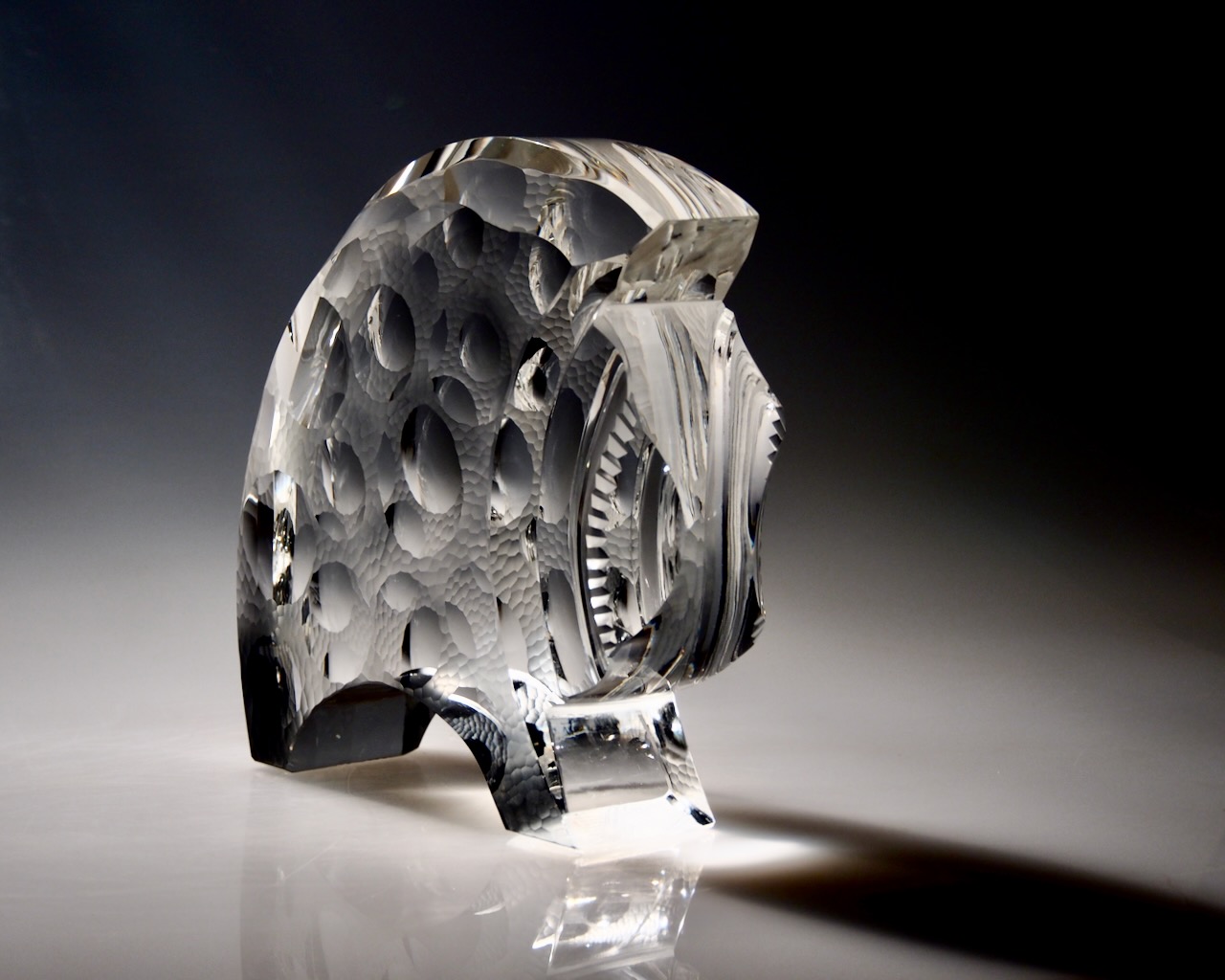
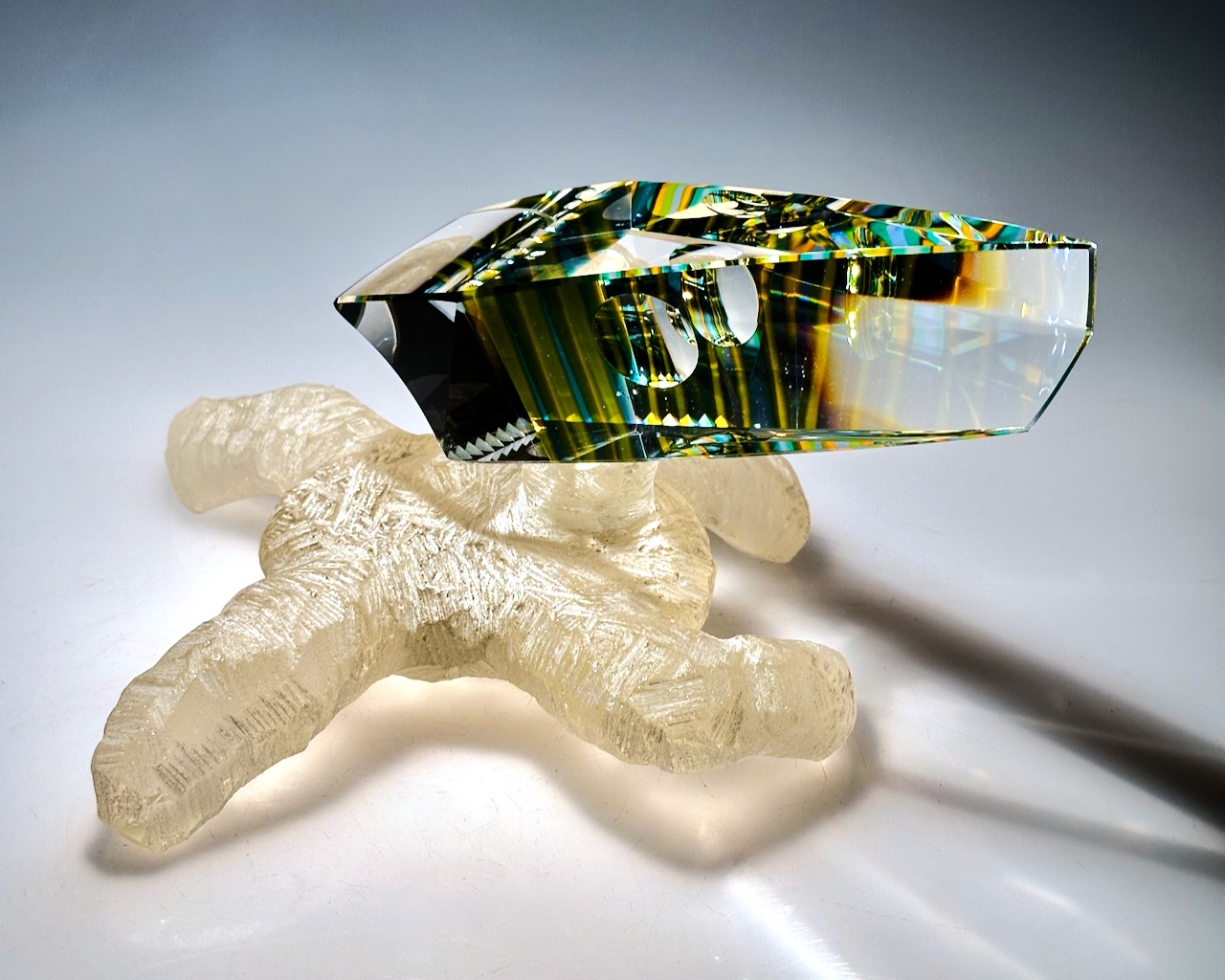
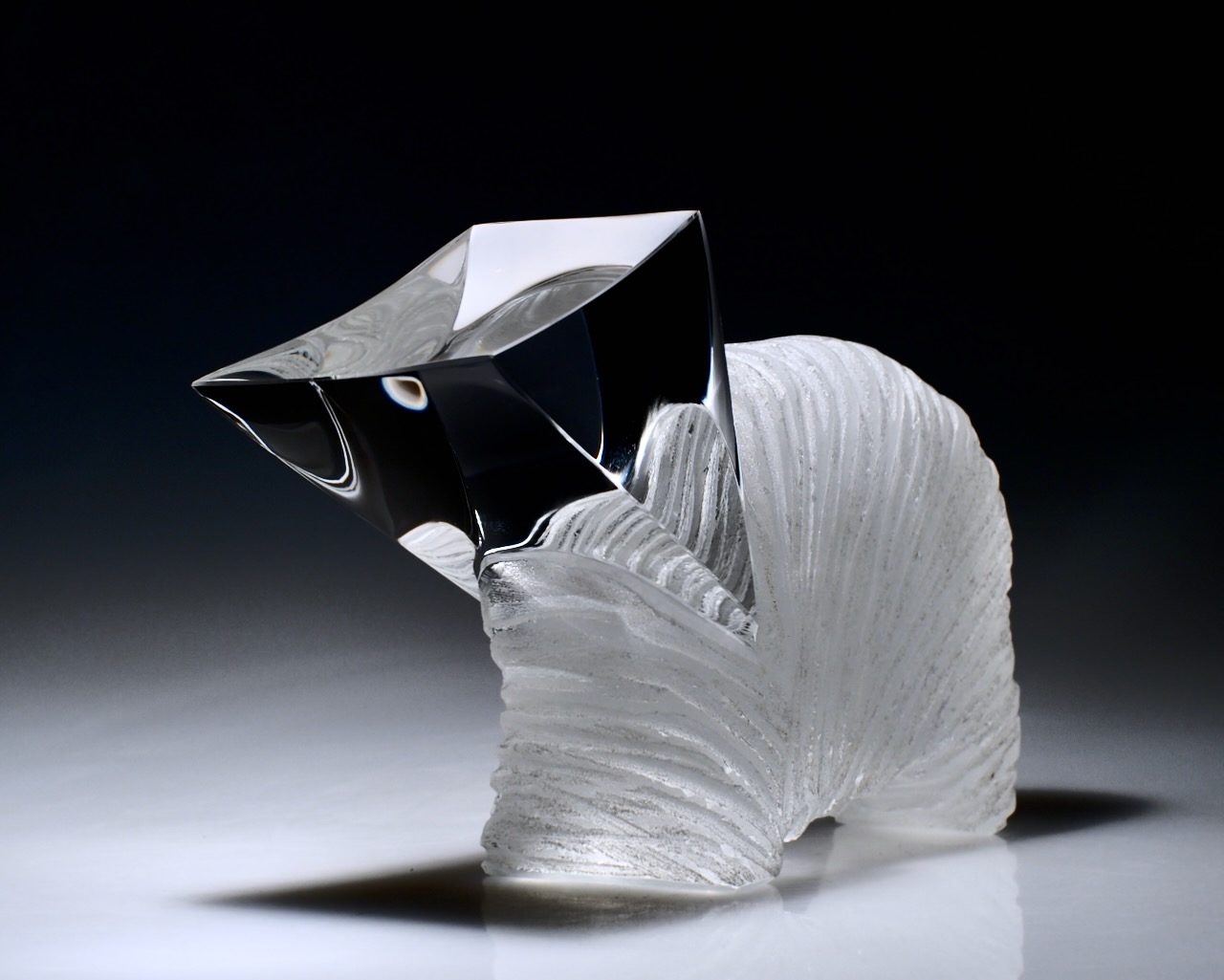
My Precious Beasts belong to this branch. Inspired by animistic and anthropomorphic figurines carved millennia ago, they are not representations of animals — they are composites, creatures that emerge from the material and the making. Glass animates them with light, letting these sculptures come alive in ways their ancient ancestors in stone and bone never could.
-
- Crouching Leopard
-
- Frog Fox
-
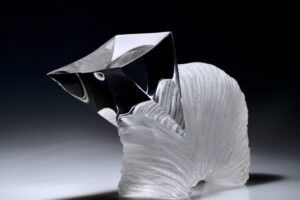
- Prism Puppy
Apparatus looks at the present. Devices, tools, instruments. My concern is how the world is presented to us now — framed, curated portals in the palm of our hands.
Glass fits this commentary perfectly. It’s through glass that we magnified human perception beyond the naked eye — telescopes, microscopes, lenses — converting information from light into knowledge. The same material now delivers us to advertisers.
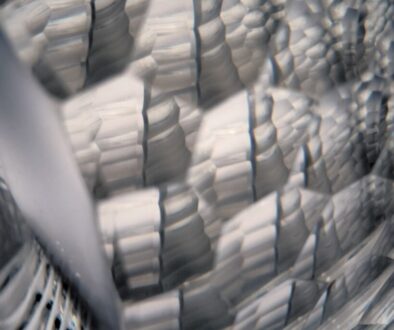
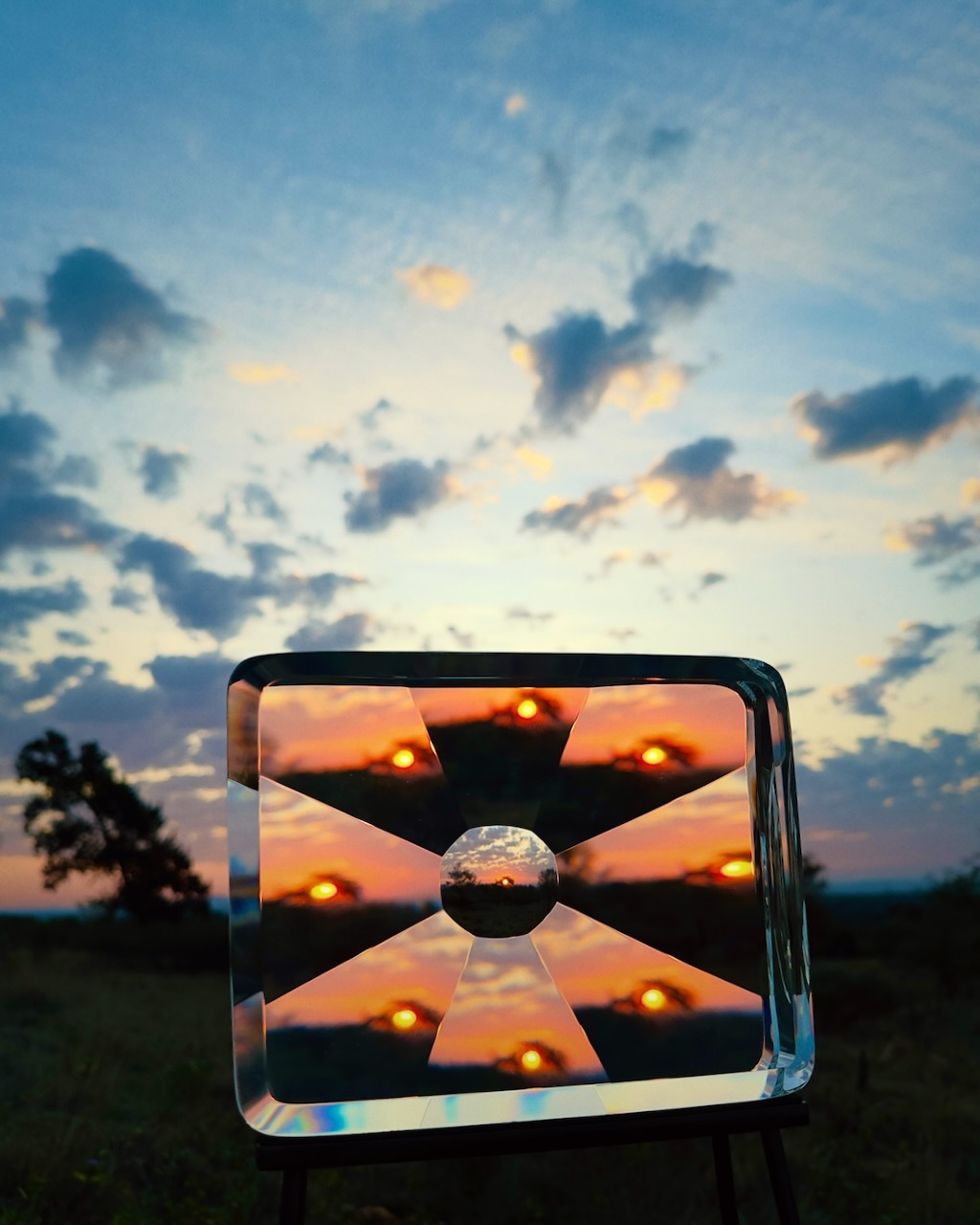
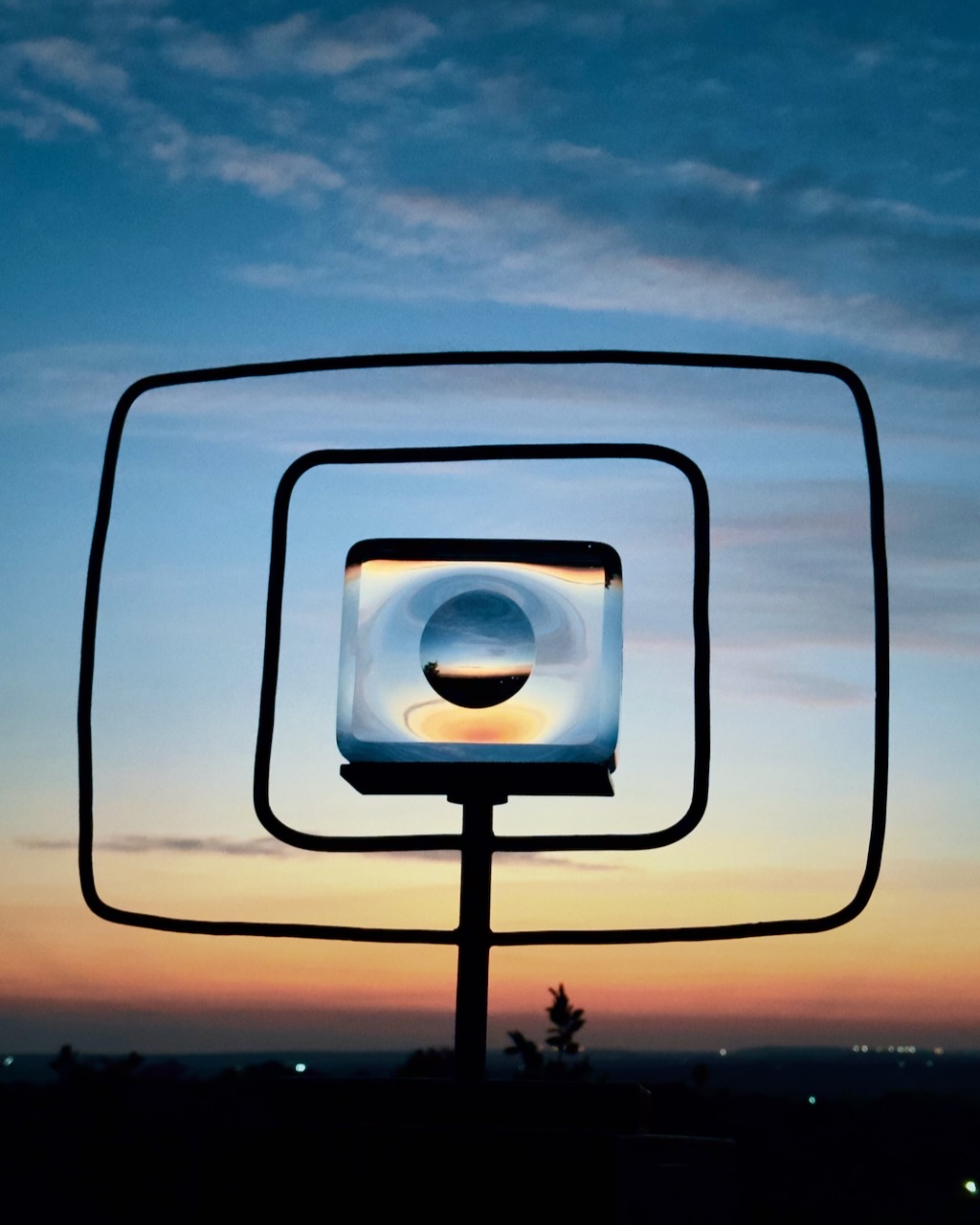
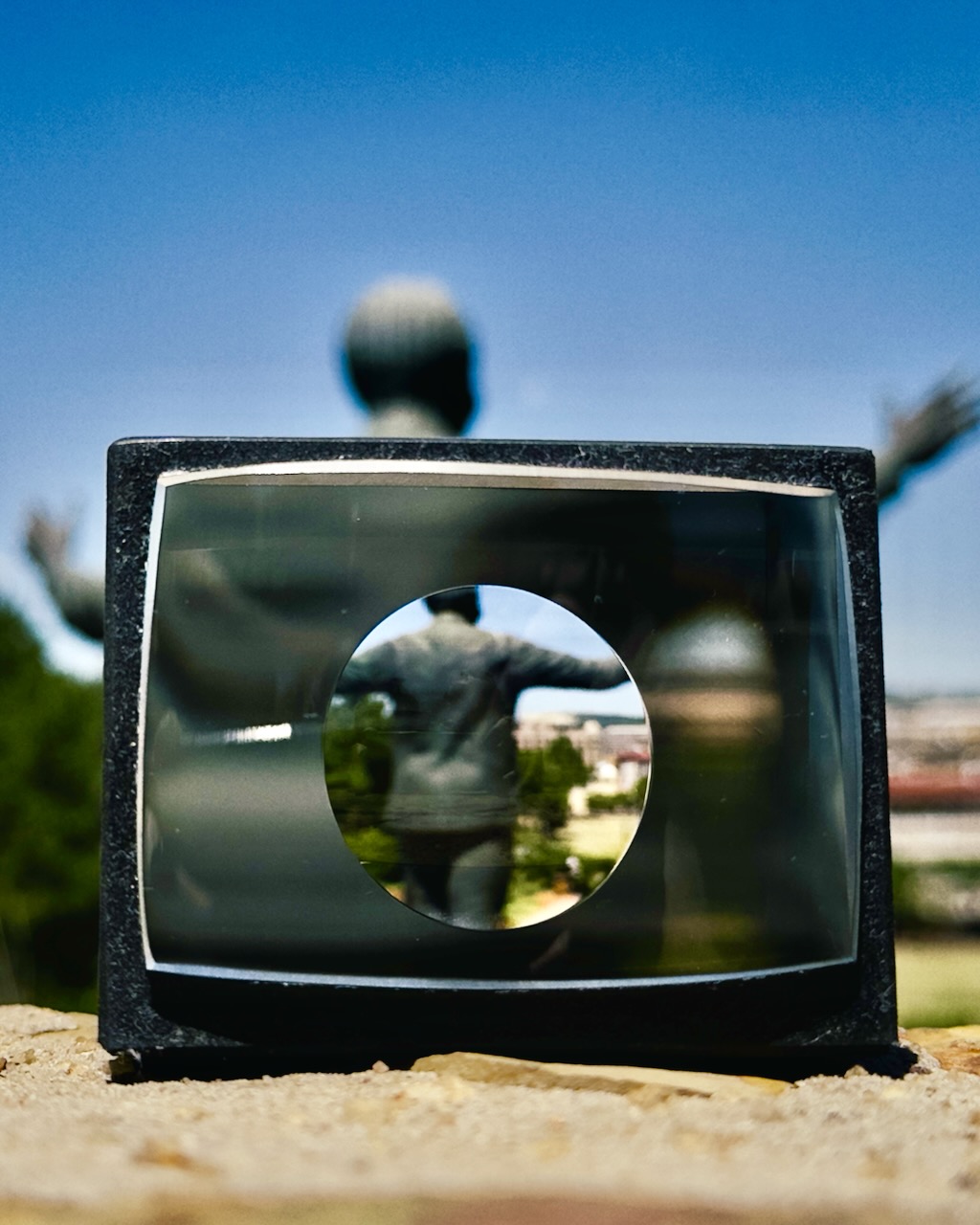
These sculptural devices echo familiar framed formats — TVs, screens, smartphones. Each hand-made lens bends and reflects light, twisting the surrounding information into something you have to look at slowly. They are not a criticism, but an observation. Meditations on how to experience the present.
-
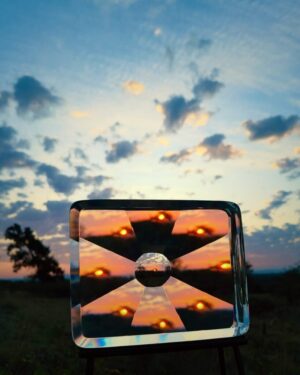
- TINATV Facets
-
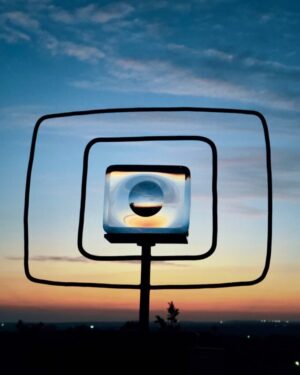
- TINATV Antenna
-
- TINATV Black Frame
Anima and Apparatus are two branches of my creative tree. They are the same question asked from opposite sides of time. One looks back at our origins, where tools and culture were born. The other explores the present, where tools and culture collide. Both ask what it means to see and understand our place in the big, frameless picture.
The work I do has its roots in the first stones — natural glass such as obsidian — being shaped by hand. The process has not changed much over millennia, other than electric motors and diamonds as abrasive. I still use stone wheels to cut and shape my glass, wood wheels to polish. I feel a direct link to then, allowing me to interpret the present.