Visual Oases in Exceedingly Distracted Times
We spend our lives believing the shadows on the wall in our caves are the real thing. We don’t even want to go outside any more. Our attention is the currency. We spend it freely.
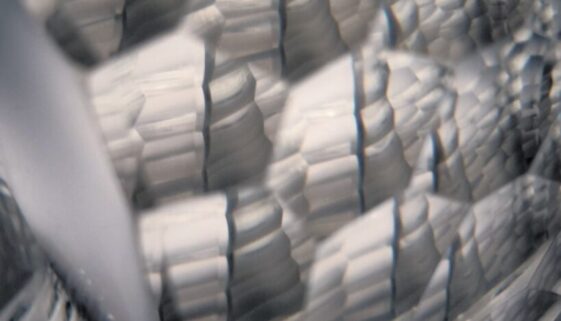
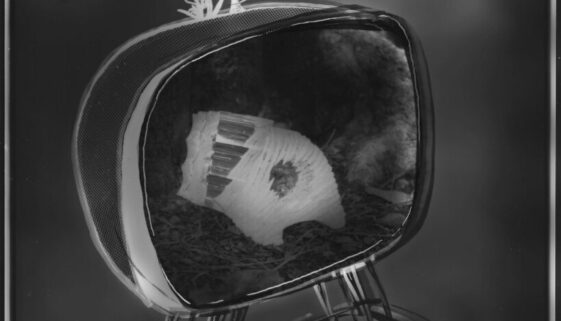
A Beast trapped inside a screen. A sculpture revealed after the final polish. Lothar Böttcher on the two questions that drive his practice in glass.
Moya African Glass Network turns one. From the origins of glass art in South Africa to our first Glass Safari and the exhibition Glass Now — African Perspectives, here’s the story of how a community found its voice.
Precious Beasts is an ongoing series of carved sculptural idols, loosely related to prehistoric representations of animals and magical creatures of fantasy.
The Lathe Riders brought cold work into the limelight at this year’s Glass Art Society conference in Berlin. For the first time in history, cold work got centre stage as the opening demo at a GAS conference.
After spending two weeks in Småland on my glass tour, Sam and I hit the road back to Germany. We booked the evening ferry from Trelleborg to Rostock, leaving port at ten.
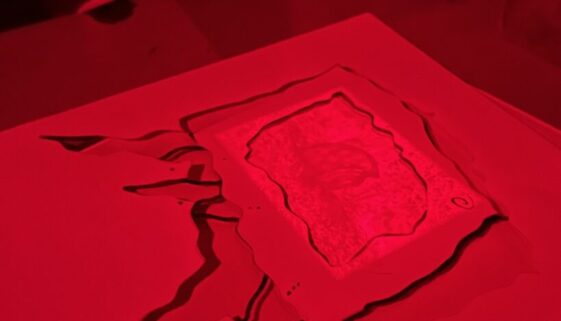
Scrolling through the abyss of my digital addiction frustrates me. I need to un-frame my mind. This unrelenting pressure to ‘create content’ is driving me up the wall. Maybe I’ve found a way to do it.
The United Nations declared 2022 the International Year of Glass. Countless events, and activities across the globe took place throughout the year, celebrating glass in all its glory — from science, sustainability, industry and technology, to art, history and culture.
Lathe Riders is an international collaboration of cold workers specifically focussing on their Cold Shop Studio and Cold Working Techniques.
In his book, Prehistoric European Art (1968), Walter Tobrügge discusses this specific Palaeolithic sculpture, suggesting: “If the work was, indeed, intended so to combine two motifs in a single object, like a puzzle picture, then it supplies evidence that the purpose of most early art was magical.”